Alfredo Bryce Echenique
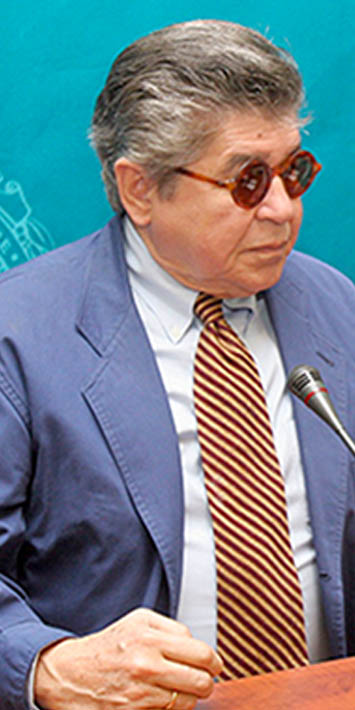
Alfredo Bryce Echenique
Author: Universidad Internacional de AndalucíaLicense CC 2.0
Colorgraded - Resized
Alfredo Bryce Echenique was a major figure in Peruvian and Latin American literature, known for his distinctive voice, humor, and exploration of identity and social class. His works often portray characters navigating between cultures, countries, and personal struggles.
Why Alfredo Bryce Echenique Matters in Spanish Literature
Bryce Echenique is considered an important representative of post-boom Latin American literature. His writing differs from earlier authors by focusing more on personal experience, irony, and emotional nuance rather than large-scale political narratives.
- Key figure in post-boom Latin American literature
- Known for combining humor with emotional depth
- Explores identity, class, and expatriate life
- Widely recognized in both Latin America and Europe
What Makes His Writing Unique
His style is often described as conversational and ironic, with a strong sense of voice. Unlike more formal literary styles, his writing feels closer to spoken language, making it engaging but still complex.
- Conversational tone that resembles spoken Spanish
- Use of humor, irony, and emotional contrast :contentReference
- Focus on personal stories and internal conflict
- Blend of realism with subtle narrative experimentation
Is Alfredo Bryce Echenique Suitable for Spanish Learners?
Although his tone may feel more accessible than some other authors, his writing still requires an advanced level of Spanish due to nuance, cultural references, and stylistic complexity.
- Uses nuanced and emotionally layered language
- Includes cultural and social context
- Requires strong comprehension of tone and irony
- Best suited for advanced learners
When to Read Authors Like Bryce Echenique
At SpanishBlackbelt, literature of this level is considered part of advanced, mastery-level training. It is not included in earlier stages, where the focus is on building practical conversational skills.
Once a learner is comfortable communicating in Spanish, authors like Bryce Echenique can help refine understanding of tone, humor, and subtle expression.
Notable Works to Explore
These works represent some of his most important contributions to literature and showcase different aspects of his style.
Cuentos Completos
by Alfredo Bryce Echenique
Guía triste de París
by Alfredo Bryce Echenique
A collection of stories that blends reality and imagination, removing the boundaries between what happened and what could have happened.
The narrative showcases Bryce Echenique’s ability to create fluid, expressive storytelling with a strong personal voice.
El huerto de mi amada
by Alfredo Bryce Echenique
A novel that explores relationships, social class, and humor through a vivid portrayal of life in mid-20th-century Lima.
The story combines irony and emotion, offering insight into Latin American society through engaging and expressive language.
Other books written by Alfredo Bryce Echenique that you may enjoy!
As an Amazon Associate we earn commisions from qualifying purchases made through links in this page.
How Literature Supports Advanced Spanish
At advanced stages, literature becomes a way to deepen understanding rather than build basic skills. It allows learners to engage with more complex emotional and cultural layers of the language.
- Develops sensitivity to tone, irony, and humor
- Expands vocabulary in context
- Improves comprehension of narrative voice
- Provides insight into Latin American society
The Role of Conversation at the Advanced Level
Even advanced readers benefit from active use of the language. Understanding literature does not automatically translate into the ability to communicate clearly.
Discussing what you read with a native Spanish-speaking tutor helps transform passive understanding into active expression and reinforces fluency.
A Balanced Approach to Mastery
Alfredo Bryce Echenique’s work offers a rich experience for advanced learners, especially those interested in humor, identity, and cultural nuance.
When combined with consistent speaking and listening practice, this type of reading helps develop a more complete and expressive command of Spanish.
Biografía
Alfredo Bryce Echenique nació en 1939 en Lima en una familia anglo peruana de clase alta. Fue el cuarto de cinco hijos. Su padre era banquero y su madre la nieta del antiguo presidente José Rufino Echenique.
Siguiendo los deseos de su familia, Bryce Echenique estudió derecho en la Universidad Nacional de San Marcos. Desde niño había tenido especial interés por la literatura, de modo que poco después de terminar sus estudios de derecho, completó estudios paralelos en literatura y escribió una tesis sobre Ernest Hemingway. Estudió también literatura francesa, clásica y moderna, en París donde vivió unos años y trabajó como profesor en varias escuelas y universidades.
Su primer libro, “Huerto cerrado” (1968) fue una colección de relatos cortos escritos en diferentes estilos y puntos de vista entorno a un personaje de la clase alta limeña. A éste le siguió su primera novela, “Un mundo para Julius” (1970) que se convirtió en un gran éxito y es hoy considerada como uno de los clásicos de la literatura latino americana.
Su primera novela desencadenó una prolífica carrera como escritor. Bryce Echenique ha escrito hasta la fecha más de veinticinco libros, novelas y colecciones de relatos, entre los que destacan “Reo de Nocturnidad”, “Tantas veces Pedro”, “Guía triste de París”, “La amigdalitis de Tarzán” y “El huerto de mi amada”.
Biography
Alfredo Bryce Echenique was born in 1939 in Lima into an upper class Anglo-Peruvian family. He was the fourth of five children. His father was a banker and his mother was the granddaughter of the former president José Rufino Echenique.
Following his family’s wishes, Bryce Echenique studied law at the National University of San Marcos. He had a literary interest from a young age, so shortly after finishing his law studies, he completed a parallel study course in literature with a thesis on Ernest Hemingway. Then he studied classic and modern French literature in Paris where he stayed for a few years teaching in several schools and universities.
His first book, “Closed Orchard” (1968) was collection of short stories written in different styles and points of view around a character of Lima's upper class. This was followed by his first novel, “A World for Julius” (1970) that became a big success and it is considered today as one of the classics of Latin American literature.
His first novel triggered a very productive career. Bryce Echenique has written to date over twenty five books, novels and story collections, which include the notable “Reo de Nocturnidad”, “So many times Pedro”, “Sad Guide to Paris”, “Tarzan’s tonsillitis” and “The Garden of My Beloved”
Estilo
Los primeros trabajos de Bryce Echenique se caracterizan por una preocupación por los problemas emocionales y psicológicos de la adolescencia y la juventud de la sociedad limeña. Más adelante, sus obras mezclan el género autobiográfico con el de ficción. Realidad y ficción sobrepasan a menudo fronteras en sus novelas y relatos, creando una particular dimensión literaria.
Style
Echenique’s early work is characterized by a concern for the emotional and psychological problems of adolescence and childhood in the Lima society. Later, his work mixed autobiographical and fictional genres. Common narrative techniques in his books are irony, dry humor, metaphors, and exaggerations. Reality and fiction are often found beyond boundaries in this novels and stories, creating a very particular and distinct literary dimension.