Panama Travel Guide for Spanish Learners
Traveling to Panama exposes you to a form of Spanish shaped by geography, history, and cultural exchange. To fully benefit from this experience, preparation is essential. Developing conversational skills beforehand allows you to recognize patterns and engage effectively in real-life communication.
A Crossroads of Language Influence
Panama’s location as a bridge between Central and South America has influenced how Spanish is spoken. The language reflects Caribbean pronunciation patterns along with influences from indigenous languages and English due to historical connections with international trade and the Panama Canal.
As a result, learners may hear a mix of familiar Spanish structures alongside borrowed words and region-specific expressions.
Pronunciation and Listening Challenges
Panamanian Spanish shares characteristics with Caribbean Spanish, including faster rhythm and reduced pronunciation. Speakers often soften or drop the “s” sound at the end of words and may shorten certain syllables in casual speech.
Other features, such as the softening of “ch” sounds or blending of words, can make conversations feel less segmented and more fluid. Recognizing these patterns is key to improving comprehension.
Vocabulary Shaped by Real-World Contact
Panamanian Spanish includes everyday vocabulary influenced by English and other languages. This reflects the country’s long history of international interaction, particularly around the Panama Canal.
Words borrowed or adapted from English may appear in daily conversations, making it important for learners to rely on context rather than expecting standard textbook vocabulary.
How to Use Your Time in Panama Effectively
Your time in Panama is most valuable when used to apply what you have already practiced. With preparation, you can focus on interpreting natural speech and adapting to different conversational situations.
- Engage in conversations in transportation, shops, and local services.
- Listen for reduced sounds and connected speech patterns.
- Identify familiar words even when pronunciation changes.
- Pay attention to context when encountering unfamiliar vocabulary.
- Respond with flexible, conversational language.
Prepare with Real Conversational Practice
Working with a native Spanish-speaking tutor before your trip allows you to practice understanding faster, more fluid speech and adapting to pronunciation differences. This preparation helps you become comfortable with how Spanish is actually used in Panama.
By developing these skills in advance, you can focus on communication rather than trying to adjust to unfamiliar patterns during your trip.
After Your Trip: Strengthen Listening Flexibility
After your trip, continued practice helps you refine your ability to understand fast and varied speech. Strengthening listening flexibility supports long-term progress and prepares you for communication across different Spanish-speaking regions.
Festival destacado
Carnaval de las Tablas
Cuando hablamos de carnavales de inmediato se nos viene a la mente Brasil con sus famosos carnavales, en especial los de Río de Janeiro y Mardi Gras de Nueva Orleans, sin embargo, hay un carnaval que ocurre todos los años en Panamá y nos referimos al Carnaval de las Tablas.
Las Tablas de encuentra ubicada en la península de Azuero entre las ciudades de Chitré y Pedasí. Si usted viaja desde Ciudad de Panamá hasta las Tablas tendrá que prepararse para un viaje de más o menos 4 horas. La Ciudad de las Tablas se localiza a unos pocos kilómetros tierra adentro desde lo que se conoce como el Golfo de Panamá.
Las Tablas es hoy un Centro Nacional de música, gastronomía, cultura, literatura y arte Popular panameño, lo cual la convierte en un lugar que sin duda hay que visitar, más allá de su Carnaval.
El Carnaval de las Tablas se realiza cada año y las celebraciones del mismo de extienden por más o menos 4 días, con actividades tanto diurnas como nocturnas. En el 2020 se realizaron en Febrero. Se estima que alrededor de 200,000 personas se reúnen para celebrar el Carnaval todos los años.
El Carnaval de las Tablas tuvo su origen en la década de los años 50. Las Tablas es una de las ciudades en el Sur de Panamá con mayor población. El Carnaval tiene también alrededor de 50 años de celebrarse.
Se dice que esta fiesta tiene un origen religioso y que hace más de 200 años habían dos poblaciones, Calidonia y La Ermita de Santa Cruz; ambas por su herencia religiosa las llevaba a disputarse la Celebración de dos patronos (20 de Julio y 3 de Mayo), por eso se fraccionaron en dos grupos y decidieron reunirse en grupos que se conocen como tunas, la geografía del lugar hacía que se congregaran los de arriba de la ciudad por un lado y los de abajo por otro y aquí es donde radica la particularidad de celebrar el carnaval en dos bandos (tunas).
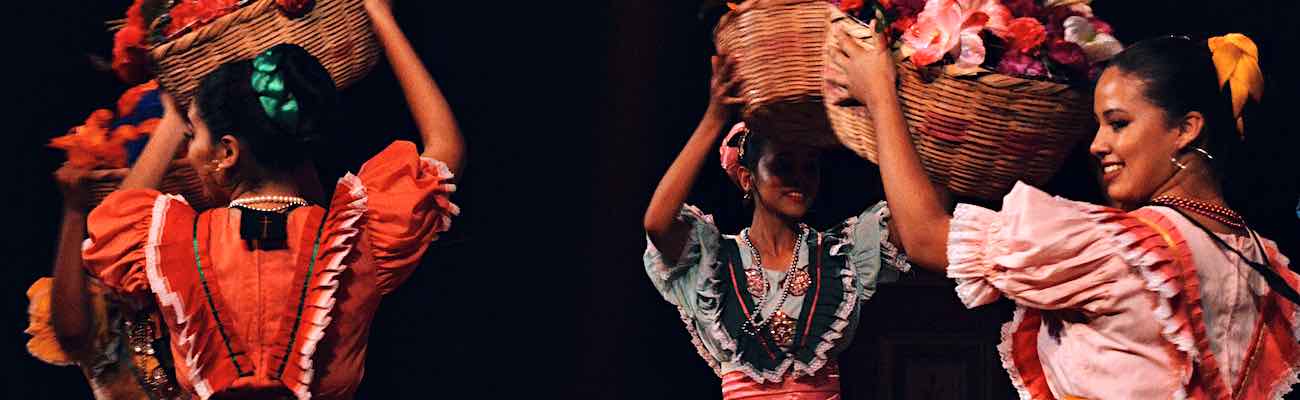
El Carnaval de las Tablas está lleno de música, alegría, color e incluso un poco de caos. Usted podrá disfrutar de carrozas, trajes coloridos, música, fuegos artificiales, bailes, eventos culturales y hasta el “Carnival Queens”. Se considera que a pesar de que el Carnaval de las Tablas es un evento lleno de todo, donde las personas toman y celebran en grande, a diferencia de los carnavales de Río por ejemplo, son mucho más tranquilos e incluso familiares. Por otro lado, los “Culecos” o camiones grandes cargados de agua que pasan rociando a la gente durante el día para no solo mantenerlos lejos del calor sino que además, darle más emoción al ambiente de celebración.
Durante todo el día, se escucha todo tipo de música en casi todos los rincones sobre todo en la Plaza central además, los vendedores de bebidas y comida y los mercadillos se desplazan por las calles durante el tiempo que dura el carnaval por lo que usted puede comprar de todo, no solo comida sino que además manualidades, espectáculos e incluso arte.
Si quieres disfrutar de varios días de Carnaval, con música, comida, bebidas y mucha celebración, y no quieres desplazarte hasta Río en Brasil o New Orleans para lograrlo, el Carnaval de las Tablas en Panamá es sin duda una excelente opción.
Featured Festival
Carnaval de las Tablas
When we talk about carnivals and festivals, the first thing that comes to mind for most people is Rio de Janeiro, and New Orleans with Mardi Gras. These are both very famous festivities, but there is another carnival that takes place every year in Panama and it’s called Carnaval de las Tablas.
Las Tablas is located in the Azuero peninsula between the cities of Chitré and Pedasí. If you are planning to travel from Panama City to Las Tablas, you have to prepare for a trip that is no less than 4 hours long. The city of Tablas is located a few miles off-road of what is known as the Panama Gulf.
Las Tablas is a cultural center for music, gastronomy, literature, and popular Panamanian art. This makes the place a required visit that goes beyond the carnival attractions it offers.
The Carnaval de las Tablas is held every year, and it took place on February in 2020 with celebrations lasting approximately 4 days, with activities during the day and also at night. It is estimated that around 200,000 people gather for the celebration of this carnival.
This carnival started out back in the 50’s and las Tablas was one of South Panama’s most populated cities. This carnival has been celebrated consistently for around 50 years.
It is said that this party originates from a religious background and that there were two towns over 200 years ago, Calidonia and La Ermita de Santa Cruz, which would always have a dispute for the celebration of the local saints (July 20th and May 3rd), this is why they decided to split into two groups and reunited in groups known as “tunas”. One side will congregate north of the city and the other south and this is how that particular aspect of the celebration occurred.
Carnaval de las Tablas is packed with music, color, and even some controlled chaos. You will be able to enjoy carriages, colorful costumes, fireworks, dancing, cultural events, and even the famous “carnival queens” event. It is considered that even with the heavy festivities and the large number of activities, the Carnaval de Tablas is seen as a more relaxed and family friendly event than carnivals in places like Rio. With that said, there are trucks called “culecos” that are filled with water and then they go through the festival areas spraying water on people to keep them cool and to lift the spirits during the celebration.
You can hear all kinds of music all day long in all corners of the Plaza Central. The food and drink vendors are available all day long to ensure that you can find food, beverages, crafts, tickets for shows, and even art.
If you want to enjoy several days of carnival with music, food, beverages, and plenty of celebration, and you don’t want to have to travel to Rio or New Orleans for this purpose, the Carnaval de Tablas in Panama is an excellent alternative without a doubt.