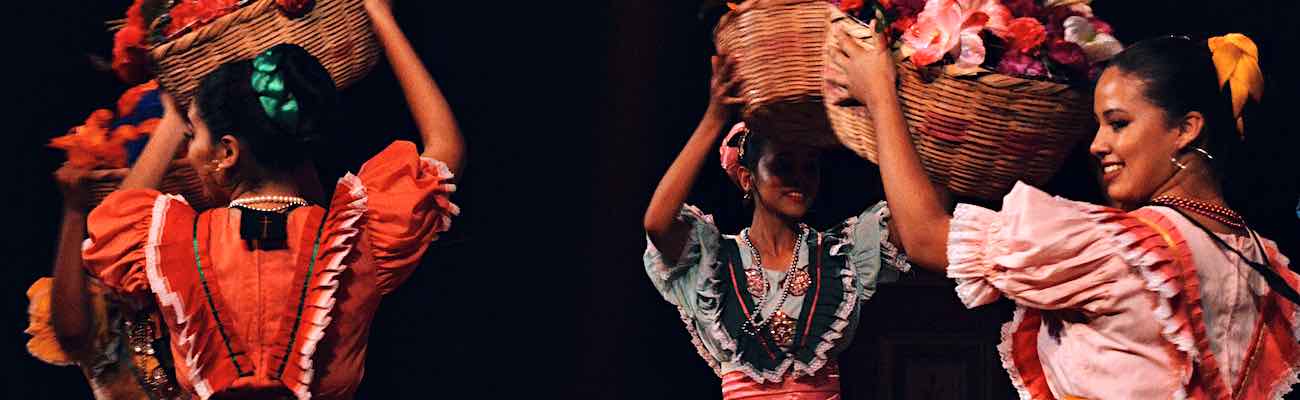
Nicaragua Travel Guide for Spanish Learners
Traveling to Nicaragua offers exposure to a form of Spanish that is both expressive and widely used in everyday communication. To take full advantage of this experience, preparation is essential. Developing conversational skills beforehand allows you to recognize local patterns and engage more effectively in real situations.
A Defining Feature: Voseo in Daily Communication
One of the most distinctive characteristics of Spanish in Nicaragua is the widespread use of “vos” instead of “tú” when addressing someone informally. This system, known as voseo, is used frequently in both spoken and written communication and affects verb conjugations.
For learners, this means that familiar verb forms may appear differently in real conversations. Becoming comfortable with these variations before traveling helps you understand and respond more naturally.
Influence of Indigenous Languages on Spanish
Spanish in Nicaragua includes vocabulary and expressions influenced by indigenous languages, particularly those of Nahuatl origin. These elements are present in everyday speech and reflect the country’s cultural and linguistic history.
Understanding that some words may not appear in standard Spanish helps you interpret meaning more accurately in real interactions.
Pronunciation Patterns to Recognize
In Nicaragua, certain pronunciation features can affect how words sound in conversation. For example, the “s” at the end of syllables may be softened, and some consonants are pronounced more lightly.
Recognizing these patterns helps you identify familiar words even when they are not pronounced in a fully articulated way.
How to Use Your Time in Nicaragua Effectively
Your time in Nicaragua is most valuable when used to apply what you have already practiced. With preparation, you can focus on recognizing local forms and adapting your communication in real situations.
- Listen for the use of “vos” and how verbs change in conversation.
- Identify unfamiliar words that may come from local or indigenous usage.
- Pay attention to pronunciation differences in connected speech.
- Engage in conversations in everyday environments such as markets and transportation.
- Respond using flexible sentence structures rather than fixed phrases.
Prepare with Targeted Conversational Practice
Working with a native Spanish-speaking tutor before your trip allows you to practice voseo forms, adjust to pronunciation patterns, and become familiar with real conversational flow. This preparation helps you handle variations you are likely to encounter.
By developing these skills in advance, you can focus on meaningful interaction rather than trying to decode unfamiliar structures during your trip.
After Your Trip: Refine and Expand
After your trip, continued practice helps you refine your understanding of voseo, pronunciation, and regional vocabulary. Strengthening these areas supports long-term progress and greater confidence in future conversations.
Festival destacado
Fiesta Patronales de San Sebastián, Diriamba, Nicaragua – Enero
Las fiestas patronales de Diriamba en honor a San Sebastián son únicas en Nicaragua y de las más importantes del país. Durante la última semana de enero, los nicaragüenses expresan en esta celebración sus más auténticas conexiones con sus raíces indígenas y españolas.
Un día antes de la semana de fiestas, se celebra una Santa Misa, tras la cual se pasea en procesión la imagen de San Sebastián por la ciudad hasta el poblado de Dolores. Una vez allí, se reúne con las imágenes de San Marcos Evangelista y Santiago Apóstol. A este encuentro se le conoce como el Tope de los Santos, que junto con los juegos de pólvora, el sonido de las marimbas y la música de los chincheros, anuncia el inicio de la fiesta.
En el recorrido de San Sebastián por el pueblo, el santo es escoltado por hípicos y danzas tradicionales. Entre ellas, destaca el Toro Huaco, una de las danzas más emblemáticas y tradicionales del país. Este baile legendario parte de la herencia nativa americana y la cultura española y en él los bailarines llevan cubierto el rostro con una máscara de madera y un gran sombrero de colores.
Diriamba es también cuna de “El Güegüense”, primer personaje de la literatura Nicaragüense, cuya representación teatral ha sido declarada Patrimonio Oral e Inmaterial de la Humanidad por la UNESCO. “El Güegüense”, también representado durante las fiestas de San Sebastián, se considera como una de las expresiones más distintivas de la era colonial de América Latina y la última expresión de las costumbres e idiosincrasia nicaragüense.
Los bailes, la música y las costumbres se remontan a cientos de años atrás cuando los primeros españoles llegaron a Nicaragua. Una cita única para todos aquellos que deseen aprender y compartir esta tradición centroamericana. Además la amabilidad y hospitalidad por la que son conocidos los nicaragüenses hará las delicias de este viaje.
Featured festival
Fiestas de San Sebastian”, Diriamba, Nicaragua - January
The patron saint festivities of Diriamba in honor of San Sebastian are unique in Nicaragua and among the most important in the country. During the last week of January, Nicaraguans celebrate their authentic connections with their Indigenous and Spanish roots.
A day before the week of the festivities, a Saint Mass is celebrated. After that, the statue of San Sebastian is taken on a procession through town to the town of Dolores where it meets San Marcos, the Evangelist, and the apostle Santiago. This event is known as “el tope de los Santos” that together with the fireworks, the sound of the marimbas and the “chincheros” music herald the start of the festivities.
In route of this procession through town, horse riders and dancers escort the saint. Prominent among the dances is the “Toro Huaco,” one of the most emblematic and most traditional dances in the country. This legendary dance is rooted in the Native American heritage and the Spanish culture. In it, dancers cover their faces with a wooden mask and wear a big and colorful hat.
Diriamba is also the home of “El Güegüense,” the first character in Nicaraguan literature, whose play has been declared Oral and Intangible Heritage of Humanity by UNESCO. “El Güengüense” also played during the festivities of San Sebastian, is considered as one of the most distinctive expressions of the colonial era in Latin America and the last expression of the Nicaraguan culture and idiosyncrasy.
This “fiesta” full of dances, music and Central American customs goes back hundreds of years when the first Spaniards arrived in Nicaragua, a must-see attraction for those who wish to learn and share this Hispanic tradition. Also the kindness and hospitality of Nicaraguans will delight visitors and travelers.