
Venezuela Travel Guide for Spanish Learners
Traveling to Venezuela exposes you to a form of Spanish that is both rhythmic and highly expressive. To fully benefit from this experience, preparation is essential. Developing conversational skills beforehand allows you to follow natural speech and understand how meaning is conveyed beyond individual words.
A Rhythmic and Expressive Way of Speaking
Spanish in Venezuela is influenced by Caribbean speech patterns, often characterized by a fluid rhythm and natural cadence. This creates conversations that feel continuous rather than segmented, requiring learners to focus on overall meaning rather than isolated words.
This rhythm plays a central role in communication, shaping how ideas are delivered and understood in everyday interactions.
Pronunciation Patterns That Change How Words Sound
Venezuelan Spanish often includes the softening or omission of certain consonants, especially the “s” and “d” sounds in casual speech. Words may be shortened or blended together, which can make familiar vocabulary sound different.
These patterns require learners to rely on listening for context and sentence flow rather than expecting precise pronunciation.
Everyday Language Is Highly Expressive
Venezuelan Spanish is known for its rich use of informal expressions and flexible vocabulary. Words like “chévere” (something positive), “pana” (friend), or “vaina” (a general term for things or situations) are commonly used in daily conversations.
Many expressions carry meaning based on tone and context rather than direct translation, making cultural understanding an important part of communication.
Regional Variation Within Venezuela
Spanish in Venezuela varies across regions, with different accents and usage patterns depending on location. For example, the central dialect around Caracas is often considered a reference point, while other regions may include distinct pronunciation or vocabulary.
Being aware of these differences helps you stay flexible when interacting with speakers from different areas.
How to Use Your Time in Venezuela Effectively
Your time in Venezuela is most valuable when used to apply what you have already practiced. With preparation, you can focus on interpreting rhythm, tone, and expression in real conversations.
- Listen for rhythm and flow rather than expecting clearly separated words.
- Identify familiar words even when pronunciation is reduced.
- Pay attention to tone and context when interpreting expressions.
- Engage in conversations in everyday environments such as shops and transportation.
- Respond using flexible and natural sentence structures.
Prepare for Expressive and Fast Communication
Working with a native Spanish-speaking tutor before your trip allows you to practice understanding fluid speech and interpreting meaning through context. Guided preparation helps you become comfortable with expressive communication styles.
This preparation ensures that you can engage more effectively and follow conversations without relying on slow or structured speech.
After Your Trip: Strengthen Interpretation Skills
After your trip, continued practice helps you refine your ability to interpret fast and expressive Spanish. Strengthening this skill improves your overall comprehension across different conversational styles.
Festival destacado
Día de la Independencia de Venezuela
El 5 de julio de 1811, Venezuela decidió separarse de España y estableció una nueva nación llamada Confederación Americana de Venezuela. La declaración de independencia, escrita en su mayoría por Cristóbal Mendoza y Juan Germán Roscio se mantiene hoy en el Museo de la Casa de las Letras Simón Rodríguez.
Históricamente, fue Francisco de Miranda quien estableció el gobierno de la primera república en 1810, aunque poco después tuvo que rendirse a los españoles y escapar del país. Sin embargo, una segunda iniciativa en 1813, dirigida esta vez por Simon Bolivar, consiguió expulsar a los colonos españoles. La victoria de la batalla de Carabobo en 1821 condujo a la proclamación de la independencia de Venezuela como parte de la República de la Gran Colombia.
El Día de la Independencia en Venezuela se celebra con numerosas festividades que destacan la rica cultura y patrimonio del país. Para los venezolanos ésta es una ocasión muy especial y realizan un gran esfuerzo para compartir colectivamente este momento de gloria e independencia.
Caracas, la capital del país, atrae a un gran número de turistas durante los días de festividades del Día de la Independencia, que viajan hasta allí para vivir la animada música, los bailes típicos y los desfiles que caracterizan esta espectacular celebración. Si elijes Caracas como tu destino principal, asegúrate de visitar también la Ciudad Universitaria, patrimonio de la humanidad y considerada obra maestra de urbanismo y arquitectura, el Panteón Nacional y el Teleférico, también llamado Warairarepano.
El resto de Venezuela es también un destino fantástico, dotado con asombrosos paisajes y oportunidades para la aventura; sus preciosas playas tropicales, sus grandes pantanos y ríos, sus encantadores pueblos coloniales, su selva y majestuosas montañas no te decepcionarán. Las aguas cálidas y cristalinas de la costa y sus islas son ideales para bucear. Las tierras bajas tropicales de Los Llanos albergan abundantes especies salvajes y una exuberante vegetación con ranchos eco-turísticos que ofrecen safaris de observación de aves. Además su ubicación en la costa norte lo convierten en un destino fácil y económico desde Estados Unidos. ¡No te lo puedes perder!
Featured Festival
Independence Day of Venezuela
On July 5, 1811, Venezuela decided to separate from Spain and establish a new nation, called the American Confederacy of Venezuela. The Declaration of Independence, mostly written by Cristóbal Mendoza and Juan Germán Roscio is kept today at the Museo de la Casa de las Letras Simón Rodríguez.
Historically, it was Francisco de Miranda who established the first republican rule in 1810, although he had to surrender to the Spaniards in 1812 and leave the country. However, a second initiative was taken by Simon Bolivar in 1813 ousting the Spanish colonists in the Battle of Carabobo in 1821, which later led to the proclamation of independent Venezuela as a part of the Republic of Gran Colombia.
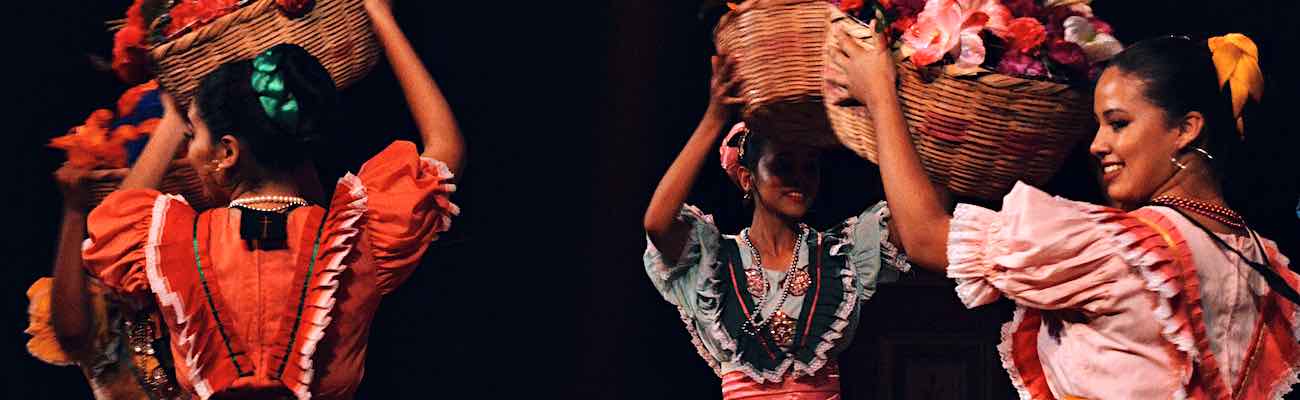
Independence Day in Venezuela is celebrated with various festivities that highlight the rich culture and heritage of the country. For Venezuelans this is a very special occasion and they make a big effort to collectively share this moment of glory and independence.
Caracas, the capital of the country, attracts a great number of tourists during the days of the Independence Day festivities. Visitors travel all the way here to experience the lively music, typical dances and parades that characterize this beautiful celebration. If you chose Caracas as your main destination, make sure you also visit the University City, a Worlds Heritage Site considered a masterpiece of urban planning and architecture, the National Pantheon and the Teleferico, also called Warairarepano.
The rest of Venezuela is also a fantastic travel destination, endowed with an astonishing array of landscapes and opportunities for adventure; the beautiful tropical beaches, vast wetlands, great rivers, idyllic colonial towns, little-explored jungle and majestic mountains will not disappoint you. The clear, warm waters of its coast and numerous offshore islands are ideal for snorkeling and diving. The tropical lowlands of Los Llanos harbor an abundance of wildlife and lush vegetation, with eco-tourism ranches offering excellent bird-watching safaris. Plus, its location on the north coast makes it an easy and cheap destination from the US. You cannot miss it!
Do you ever wonder why the Spanish spoken by native Venezuelan is at times so hard to understand?
This short 1-minute video made especially for advanced Spanish students can help you get more familiar with the Spanish used informally on the streets of Venezuela (Venezuela slang).
